




















Identifying not only that a problem exists, but also indicating the broader impacts of the problem and implicating the customer in the consequences of it.
Get certified with our range of entertaining, educational programs.
See how MEDDPICC helps teams tackle real-world problems
No matter your role, you can benefit from partnering with MEDDICC.
Unlock even more value with these resources
Take MEDDPICC from something you learn to how you execute
Bi-weekly interactive sessions with MEDDPICC Experts
MEDDICC Membership is available for both teams and individuals
Learn what MEDDPICC is and why it's our favorite variation

Identifying not only that a problem exists, but also indicating the broader impacts of the problem and implicating the customer in the consequences of it.
Once we identify a problem the customer is facing, AKA the pain, it isn’t enough to simply point it out. If your customer doesn’t truly understand the consequences of the pain, if they aren’t implicated in it, there will be no urgency to solve the pain or to proceed with the deal.
It’s important to attach the value of your solution to your customer’s pain so they understand why moving forward with it should be a priority for them.
To create urgency in a deal and to prove why your solution is essential, you need to take your customers from identifying the pain to indicating to implication of the pain. If there is not urgency associated with your solution, it is likely to be deprioritized behind other projects and initiatives that are seen as more painful.
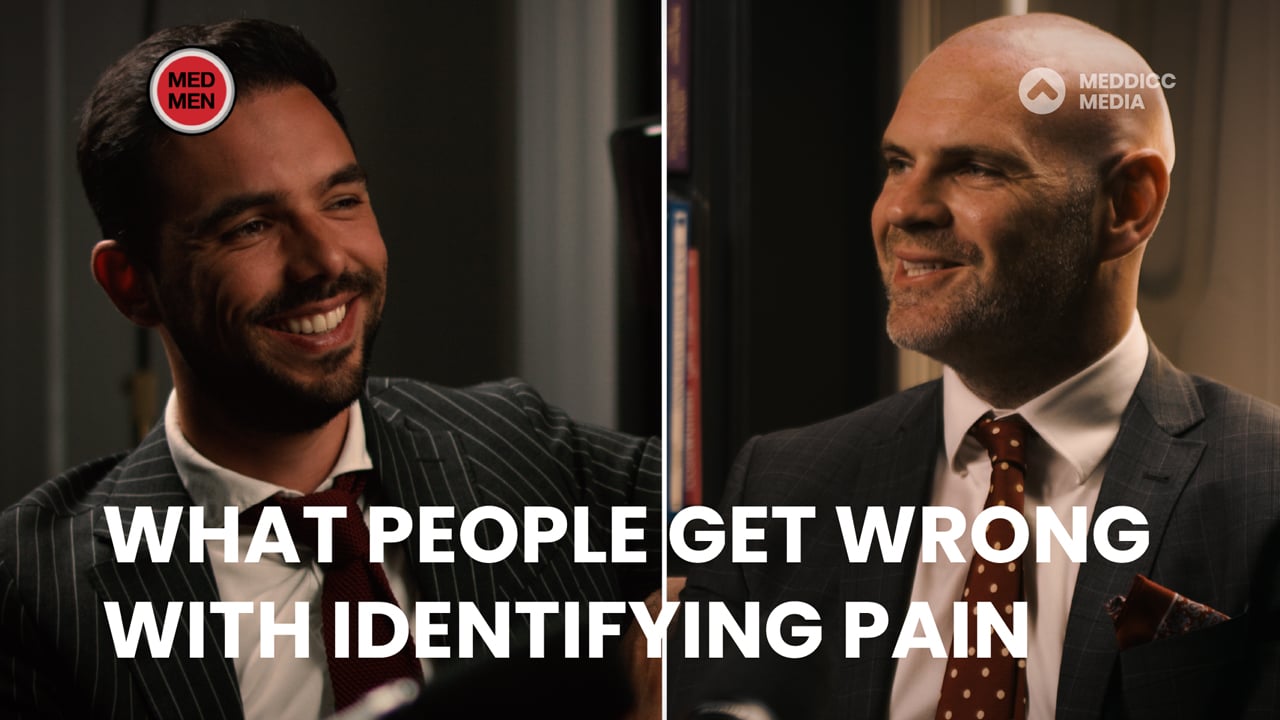
In this episode of MEDMEN, Andy and Pim review Implicating the Pain, and what details about it salespeople need to remember. To drive urgency with the customer, implicating the pain is a necessity. And to maintain that urgency, there needs to be a consistent implication of the pain.
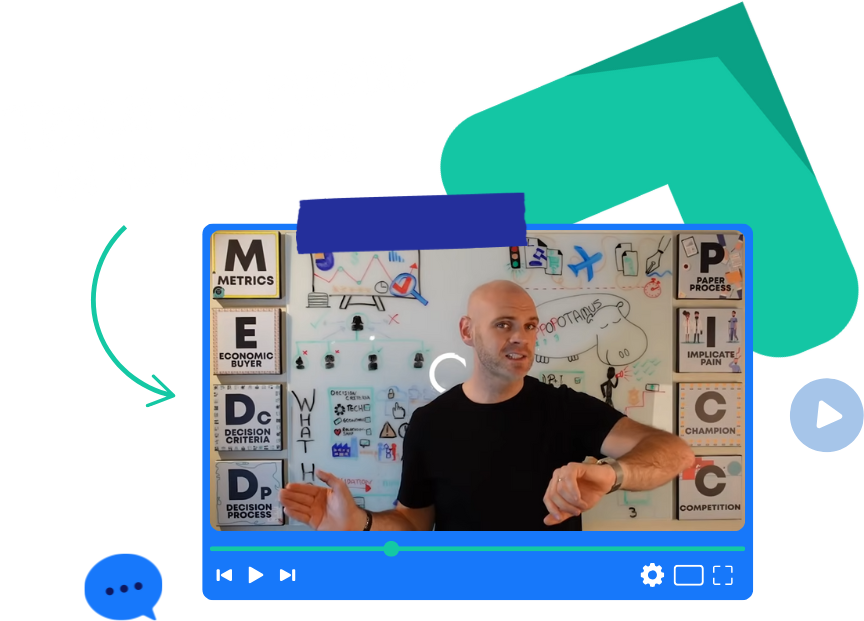
MEDDIC as it was first known is the number one methodology in enterprise sales. This video gives a brief overview of each element of the most commonly implemented connotation of MEDDPICC and MEDDICC.
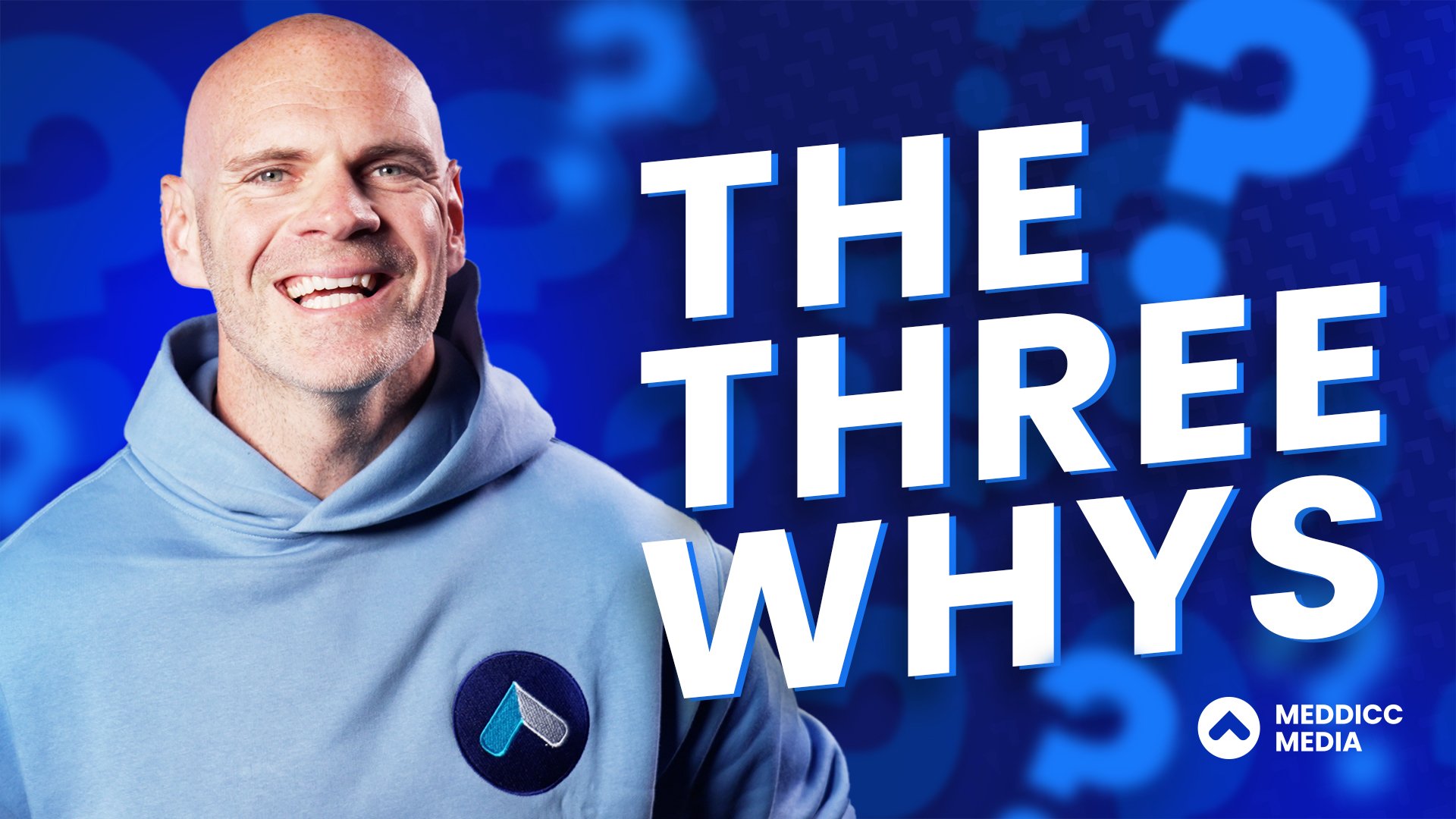
Why change? Why you? Why now?
Andy breaks down what each of these questions means, why they’re important, and how you can use MEDDICC to answer them effectively.