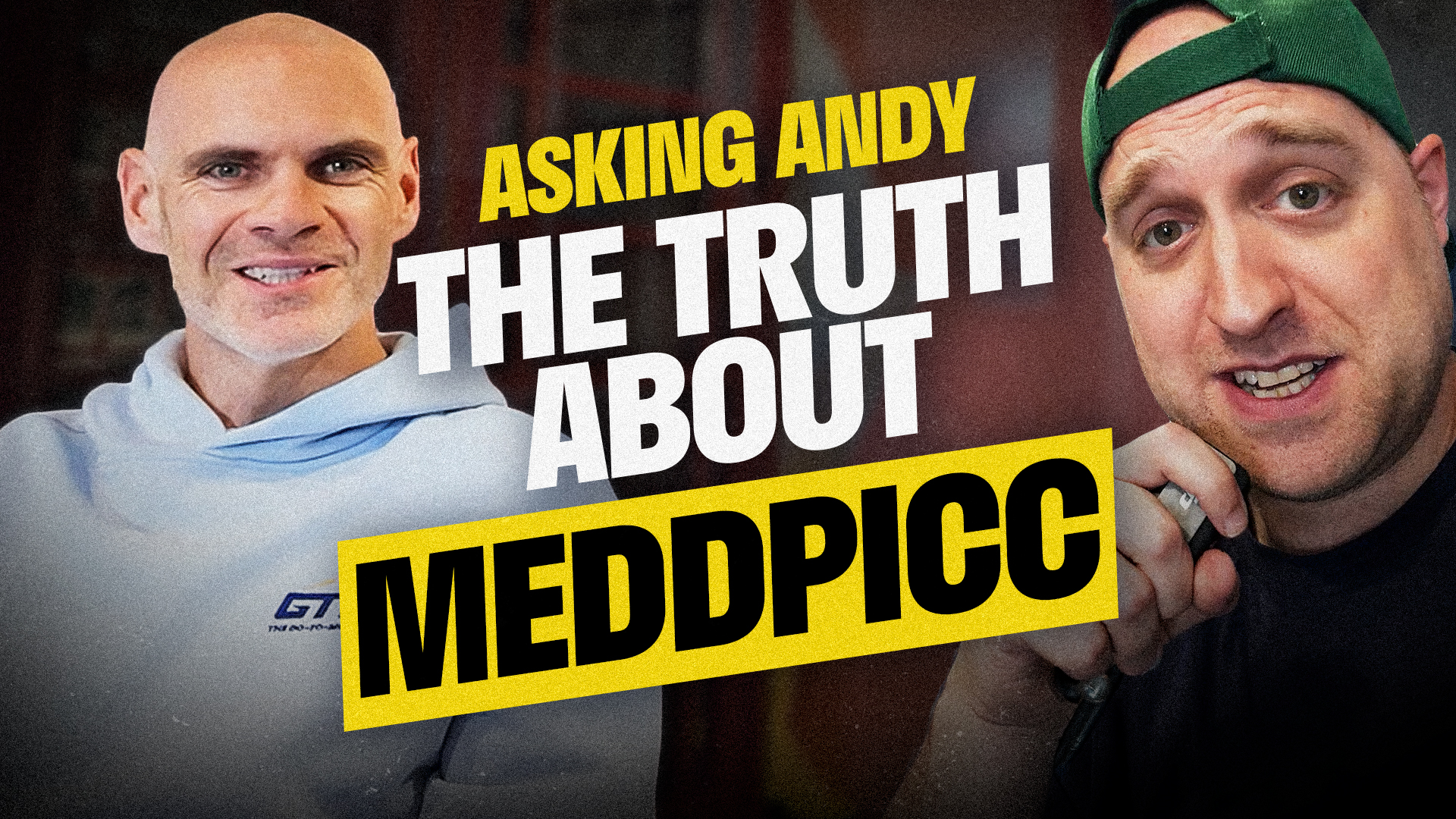
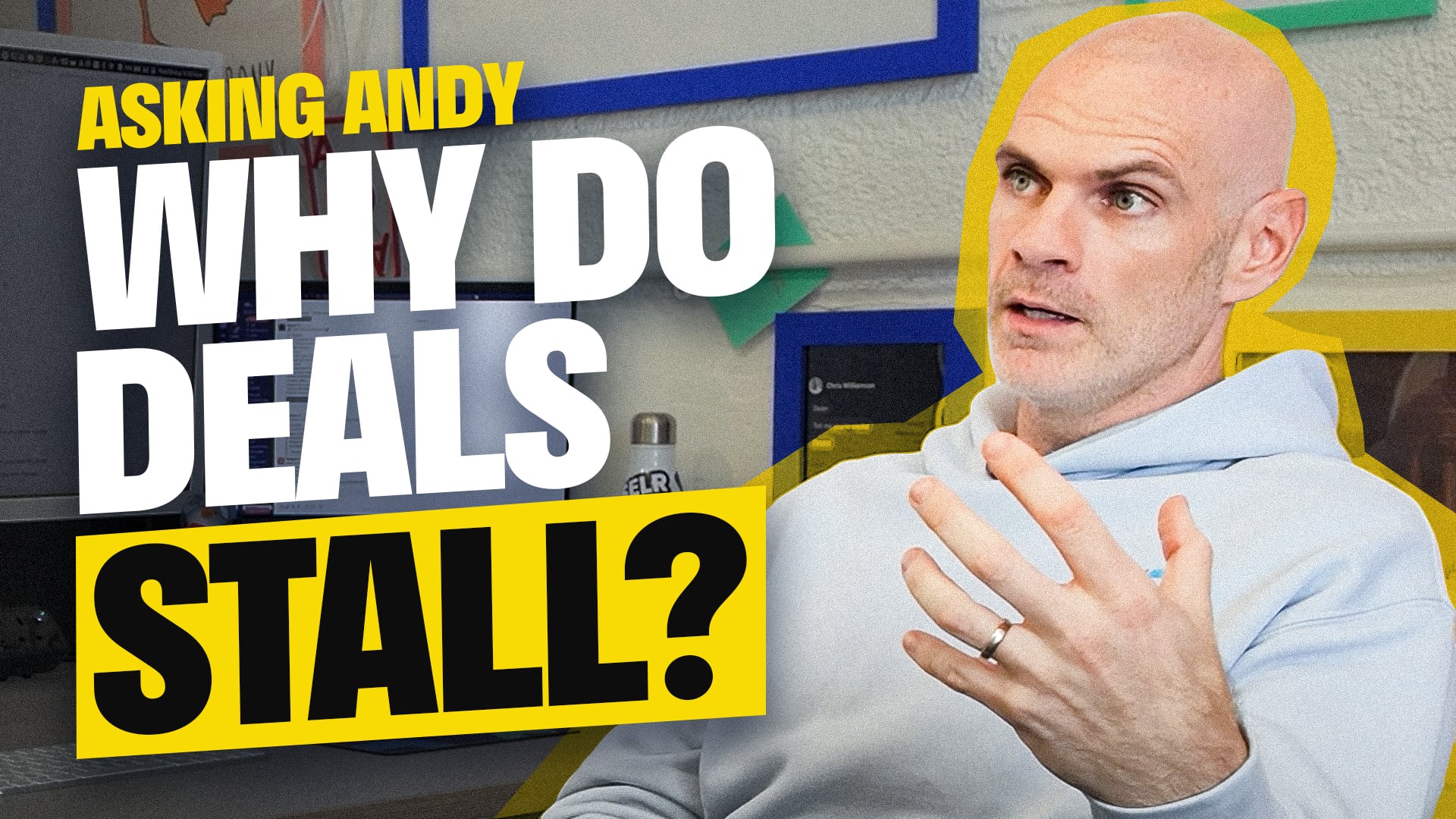
00:09 Pim Roelofsen: Welcome to The MedMen Show. This is Andy - 00:11 Andy Whyte: — and that's Pim. What are we talking about today, Pim — in this special summer edition of The MedMen Show? 00:21 Pim Roelofsen: It is special! We are talking about the things that people get wrong with the decision process. Because it's one of those where salespeople always have an answer — you always have a feeling of where you are. Not like other elements, like the economic buyer where you might not know who they are, or metrics where you might not have them yet, or competition where you might not know who you're up against. Decision process — you'll always say "well, we're about here." But it can be very inaccurate, and still sound compelling. 01:03 Andy Whyte: Yeah. So if we think about things people get wrong, I think we should start at the start. The very start. When does it start? Well, that's a good point — for me, the decision process starts from the very first thing you're doing when you have the inkling of an opportunity. So if you're standing on an exhibition stand and a prospect comes to talk to you, you should start thinking about the decision process then. Because the process we need to understand is: how do they make the decision to take a follow-up meeting with us? That's the start. That's the first part of the decision process if you think about it that way. 01:41 Andy Whyte: And then once we've got that booked in — how do we go from that first meeting to whatever the second meeting is, to whatever the stages are after that? That is the decision process. That is the difference between just thinking "how does someone decide whether to buy or not?" versus "what are all the series of steps and decisions that the customer — the prospect in this case — is going to make to ultimately get to value delivery?" 02:06 Pim Roelofsen: Yes, exactly right. And for salespeople who start to think about it by putting themselves in the customer's shoes — really wanting to truly understand how they make decisions — what we shouldn't forget is that it's not the customer's job to buy our solution. They've got day jobs. Buying our solution is probably a very, very small part of their entire role. I once, while researching for a piece of content we were creating, went through something like 50 different job descriptions for a marketing director role. I was trying to find one that mentioned a technology or solution. None of them did. There are like 50 things on every marketing director job description — none of them were about buying a solution. 03:00 Pim Roelofsen: And I think that's about ownership, right. The assumption that ownership of the decision process sits with the customer — whereas really, as you build up your understanding of your champion and triangulate things in the business, you start putting it together. And I can say this from experience — we've bought a lot of technology in the last 18 months. And the best experiences I've had have been the ones where the salesperson really takes me through my decision process. They inform me of the things I should be considering, both from a business approval perspective — "typically organizations like yours look to see these kinds of indicators from a solution to make it worthwhile" — and then separately, the technical validation. 03:49 Andy Whyte: So what I think people get wrong there is they overlook those two really important parts of the decision process that should be front of mind. First: business approval. How do we get the green light from everybody that this is approved as a business initiative, a business investment in resource and so on? And second: how do we get the technical green light? How do we get the solution to demonstrate it does what it says it can do — and what is the process to getting to that point? 04:20 Pim Roelofsen: Yeah. And the other thing people get wrong there is not tying it to a compelling event. Because those two things — in a time-bound process — need to have that. A compelling event is really part of the decision process. I see some people call out an extra C in MEDDPICC for compelling event. And you know our opinion — we like people to adapt MEDDIC to suit them. But for me, the compelling event is: once you're evaluating your solution with the customer, there has to be a compelling event you're working towards. That is the summit of the mountain for your decision process. A decision process without a compelling event means you're not really selling — you're just waiting for the customer to place an order. 05:08 Pim Roelofsen: Because if there's no compelling event — whether it's the customer's or one you've helped create — you're just sitting back and letting the customer decide when they buy. And this doesn't live in isolation. The compelling event is based on pain, and the pain is quantified with metrics, which altogether drives the urgency. But with decision process, there will always be more than you initially uncover. It's almost having that mindset of: yes, we will discover more as we go through this journey with this customer. 05:54 Pim Roelofsen: And the thing to keep in mind is: the best thing you can do is make sure that with your champion, you have a very solidified stack of actionable items that you can work through one by one — unless things change and new things get added to the list. So there's always something to keep each other accountable to. And I think a lot goes wrong there in terms of that mutual accountability. 06:22 Andy Whyte: Yeah, great point. There's one thing we haven't mentioned yet — which for me is the biggest thing people get wrong with the decision process — and that's thinking that it's the customer's timeline and the customer is completely in control. "The customer decides when they place the order because they've got their own timeframes." If that were true, then why do quarters always look like this? The only reason we know a quarter exists is because orders start flying in towards the end of it. So many organizations have different financial years now — and yet customers always seem to know when quarter end is and wait to place the order then because they think they'll get the best deal. 07:11 Andy Whyte: And this should actually be empowering to sellers. You are change makers — you can truly make things go faster or slower depending on how you handle this. Because even if the customer is sitting there twiddling their thumbs — what are they waiting for? They're waiting to get a deal. They're waiting for a concession they think is going to come their way if they leave it until the end of the month, quarter, or year. Well, hang on. If that's what's happening in your opportunities — if that's the shield you're hiding behind to say "customers buy when they wait" — then you haven't got a compelling event. 07:54 Andy Whyte: Because if the compelling event is that they get a discount — but they're going to wait to get that discount — you haven't got a compelling event. That's the worst compelling event you could possibly have. Your job as a salesperson is to create the compelling event. Definitely not to fall back on "the customer's waiting to get a deal." You've got to find the business initiative to attach your solution to, to drive urgency into the project. And that's why there will be people listening to this right now who have closed deals they had no right to close in the time they did — because they had their own compelling event. It could have been their year end. Doesn't mean we have to tell the customer about it. And even if we did — if our compelling event is our year end, taking that to the customer isn't going to be as compelling as relating it back to something that matters to them. 08:56 Andy Whyte: So for me — the number one thing people get wrong about decision process is they leave it to the customer. 09:01 Pim Roelofsen: OK so in summary: it doesn't start later in the sales cycle. The customer doesn't own it. There's always more to it than you initially think. We can't just map it out once and expect the customer to remember it — we've got to keep triangulating, keep building. And we've got to have a compelling event. 09:24 Andy Whyte: That's it. Absolutely. Cheers, Pim! 09:26 Pim Roelofsen: Cheers, Andy!






































.png?width=273&height=327&name=image%201%20(1).png)