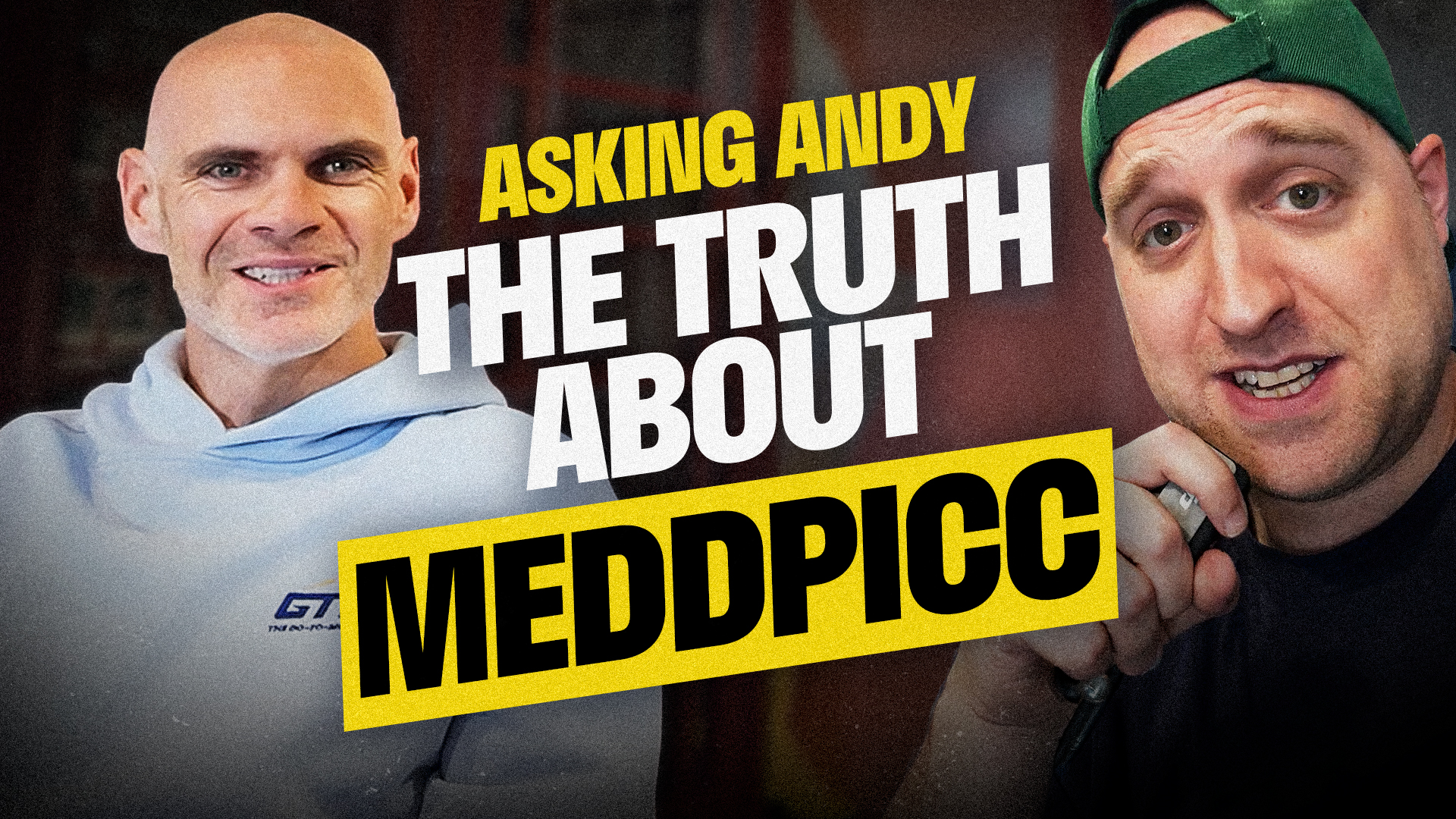
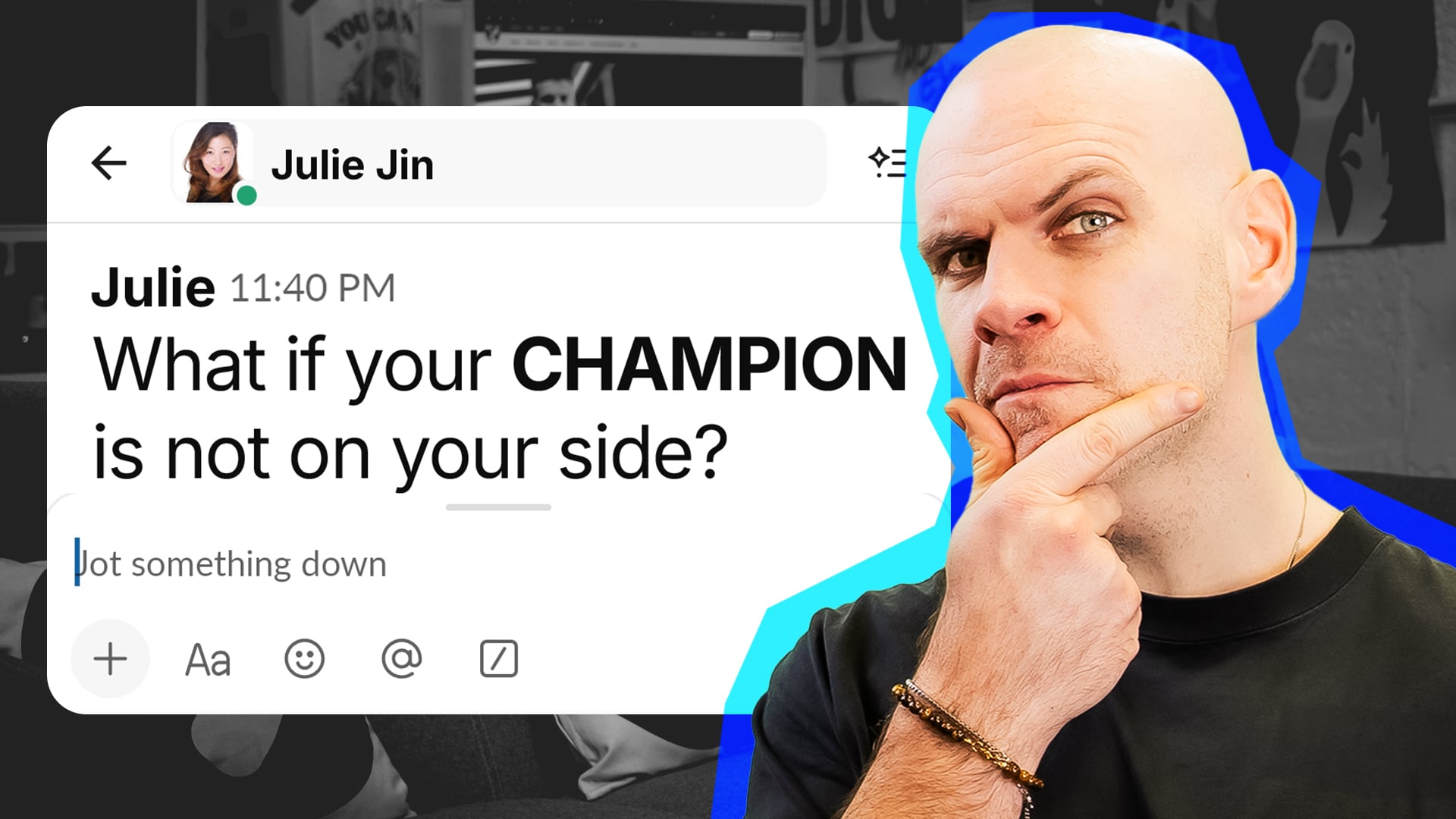
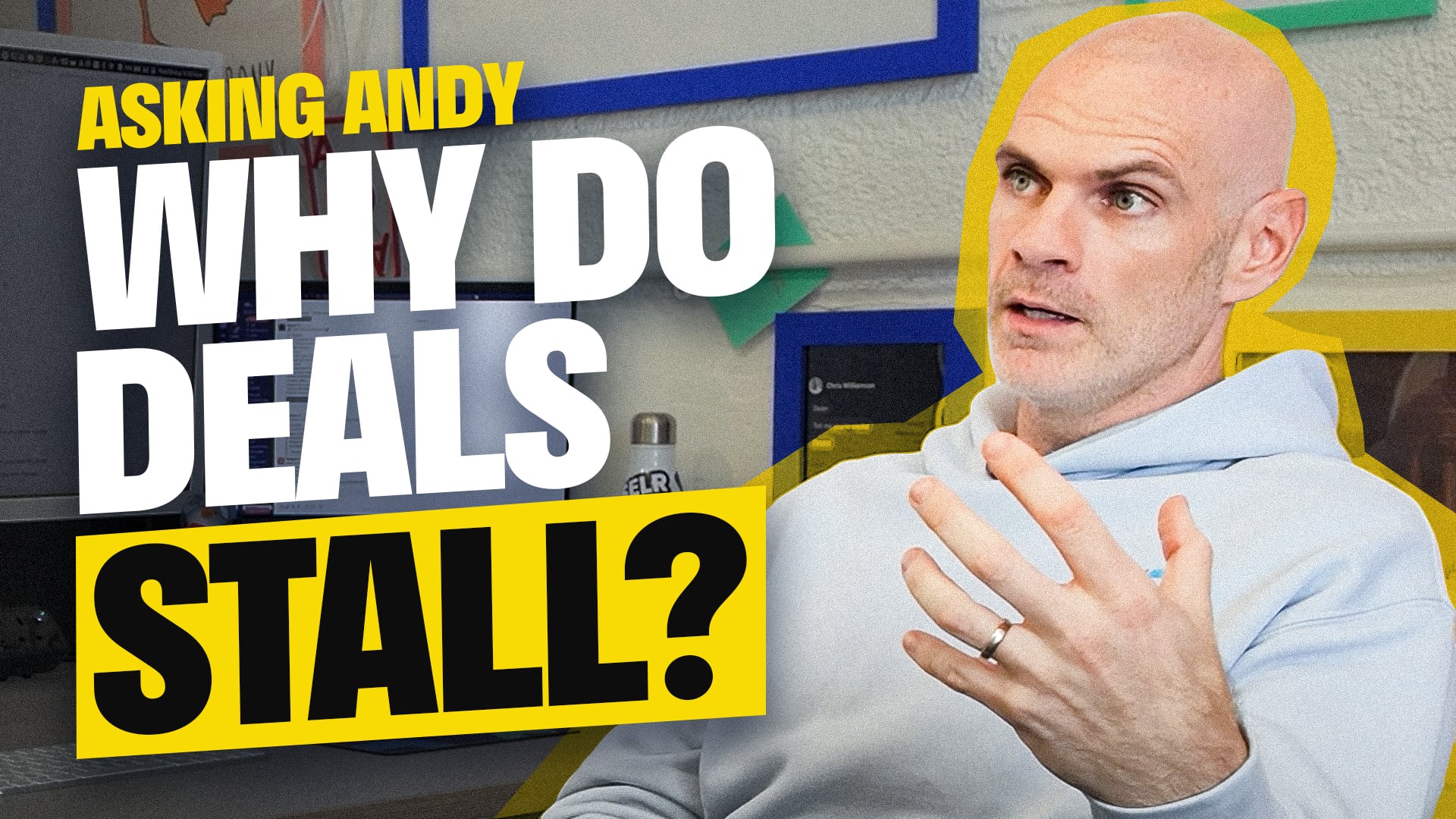
00:00 Andy Whyte: The most controversial thing I ever said on LinkedIn is that salespeople shouldn't take their negotiation technique from a former FBI hostage negotiator. 00:10 Pim Roelofsen: So you mean that I shouldn't treat my customers as if they are hostage takers? 00:16 Andy Whyte: Yes. I know this sounds controversial, but my view is that you should not treat customers in a negotiation — which means you're basically negotiating on becoming partners, going into a working relationship together — as adversaries. I don't think that should be controversial. But it was. People got very, very upset. 00:36 Pim Roelofsen: Yeah. I mean — I've seen some of Chris Voss's work. I like his book, I've seen his Masterclass.com course. Great. But I also think a lot of it revolves around manipulation — giving the other side the sense that they are in control. That doesn't seem like a great place to start with a customer where something is supposed to be based on trust and mutual goals and long-term understanding. Because in a hostage negotiation, there is only one winner. No one is trying to find a mutual win where you both skip off into the sunset together. I've never been in one, but I've seen enough movies to know that's a thing. 01:25 Andy Whyte: What we're talking about with a customer relationship is that we are both trying to find a way of moving forward together. We are beginning our relationship together, and this is where we move forward. My point here is not that Chris Voss has bad ideas — actually, I think he's brilliant. I wish him every success. You want to ask me if I disagree with that? 01:39 Pim Roelofsen: No — what did you do there? 01:41 Andy Whyte: I think he's brilliant. In fact, here's a tip: his book is great, you said the Masterclass.com course is great. But the best I've heard is Voss on The Knowledge Project podcast. There's some gold in there — check it out. It's better than everything else put together, and it's free. 01:57 Andy Whyte: My point here is: if you get to a scenario where you are relying on the same tactics in a negotiation as a hostage negotiator, something has gone massively wrong. Because in an ideal situation — if you picture the deal you're really proud of, where you feel like you made a really positive impact and did a great job as a salesperson — chances are you had a great champion. Because those two things go hand in hand. You can only be good at selling if you have a great champion helping you sell internally for you. In those situations, they typically don't have abrasive negotiation scenarios. And it's not because the customer is nice or has an easy procurement process. It's because if you wind the clock back, the salesperson has done a tremendous job of building value, of building urgency, of differentiating their solution — so that when it comes to negotiation, you can't be like this. Because firstly, the customer really wants to work with you and only you because you've differentiated yourself. Secondly, they're not feeling like they're getting a bad deal because you've built so much value into the business case. And thirdly, you've got a champion who has a vested interest in your success. They've got their company's interests first and foremost, but they want you to win because they know that when you win, they win. 02:57 Andy Whyte: I'm not saying there's no negotiation. I'm not saying there aren't tricky redlines or procurement steps to get through. But you're not going to be relying on all those really harsh tactics. At that point, they're not going to make the difference. What's made the difference is the work you've put in to build the value and the relationship all the way through. And when you get to procurement, it is the champion's deal as much as it's yours. So they are championing it internally to the organization, making sure there's stakeholder alignment, that anyone who should be involved is involved in ultimately making the decision — through to the economic buyer. And at that stage where procurement gets involved and questions are being asked about the value and how it's delivered — they need to be there fending on your behalf, but on theirs as well. 04:07 Pim Roelofsen: Right. Because there's vested interest. You both win when you do. 04:10 Andy Whyte: Exactly right. 04:12 Pim Roelofsen: So — I think it's interrogation time. 04:17 Andy Whyte: There we go. 04:18 Pim Roelofsen: It's a single question. This better be good. 04:20 Andy Whyte: OK. I'm ready. 04:22 Pim Roelofsen: All right, Andy — which part of MEDDIC matters most in the scenario you just talked about? 04:31 Andy Whyte: Oh, that's a good question. If I have to give one answer — because that's what you want — it's got to be champion. It's got to be champion. But the virtue of having a champion has to come from us really understanding the organization's goals, the strategies supporting those goals, the initiatives that support those strategies, and the obstacles in the way of the things that need overcoming. I need to be strategically aligned with where the organization wants to go in order to have any chance of having a real champion. So to get there, I need to really understand the pain. I need to understand the implications of pain. I need to be able to build a view of how much value they're going to get from working with my solution — which means I need to build some metrics. I'm going to need to make sure I differentiate my solution, so they know they can't just buy it from the next person who comes along and says "I can do this too." So I'm going to need to really lock my differentiation into the decision criteria. And then as part of that decision criteria — for my champion to be effective in getting everything moving forward — I'm going to need to consider the economic buyer's interests and the economic decision criteria. 05:33 Andy Whyte: So really, it's all of the non-process elements that are most important. But of course, to be able to navigate any difficult negotiation stages, I'm also going to need to understand how the customer makes decisions. So the short answer is: champion. The long answer is every single element — because I'm going to need to know exactly where I stand on value, stakeholders and process. 05:54 Pim Roelofsen: I love it. Because at the end of the day, this summarizes how everything ties together. Nothing lives in isolation — but no champion, no deal. 06:02 Andy Whyte: And with that, let's bring the lights back up. No champion, no deal — you just said it. But — seamless link here — many of you are champions for this show. But we've been noticing that a lot more people view the show than subscribe to it. It's about 10%. 06:17 Pim Roelofsen: It is about 10% — metrics! 06:19 Andy Whyte: Yeah — thank you. So thank you to the 10% that subscribe. If you could drop a cheeky little like, that would make us very happy. And for those that don't subscribe — shame on you! Please hit that subscribe button. It really helps the algorithm show the show to more people. Cheers!






































.png?width=273&height=327&name=image%201%20(1).png)