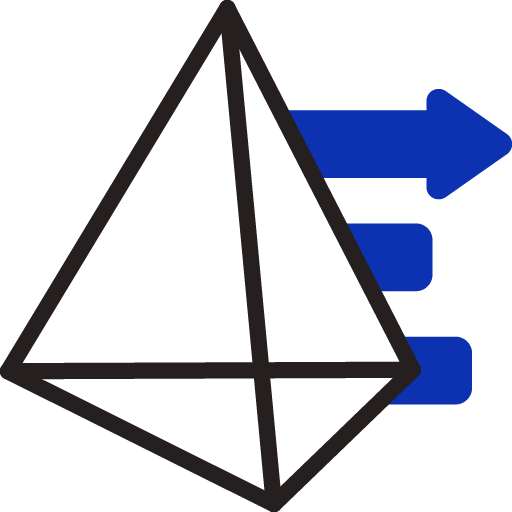
00:06 Pim Roelofsen: Welcome to The MedMen Show. This is Andy — 00:08 Andy Whyte: — and that's Pim. And what we're going to talk about in this episode is: does MEDDIC apply to open source? 00:16 Pim Roelofsen: Yeah — selling with an open source solution to your customers. And for me, the biggest thing to begin with is how you overcome the delta between what is effectively a free solution and having to pay for it. 00:30 Andy Whyte: Absolutely. And I think the thing here is we see this time and time again — salespeople think: "OK, the customer's already using the solution. We need to get in front of them and show them why they need our premium version." It comes in many forms — extra levels of service, support, actual solutions built around the outside to get more value from the open source solution itself. The default is just: demo, get in there, show why it's great. "You already love it — we can make it even better." And if it's free, you might start with the end users in the organization. And then stay there. 01:11 Pim Roelofsen: Yeah, that's the thing. Because typically the people you engage with in that way are the ones using it. And we have a name for end users — and we spend a lot of time in sales trying to avoid staying at that level in an open source engagement. Often it's the users you have to start with, but for me the real key is: you have to stop and slow down. It may not feel like the right thing to do because you can see the users and the quick win right in front of you. 01:40 Andy Whyte: Yeah, because that might be going great. 01:42 Pim Roelofsen: It could well be. And that is also not necessarily the best thing — if it's going great, then where's the pain? So the trick is: stop. Slow down. Zoom out. You've got to be thinking about the value pyramid — which starts at the very top with goals. We need to really stop and think: what is this organization's goals? What are they trying to achieve? What is their purpose? And once we start to understand that, we can zoom into their strategies — what are the strategies they're deploying to try and achieve those goals? Inside those strategies — which you can find in annual reports, in the press, or just by talking to people within the organization — you should have at least a slight door open to understand what those strategies are and what initiatives they have to support them. 02:38 Andy Whyte: Now we can start to really understand day-to-day what's going on and find things our solution can help them with. If they're using the open source platform, it should be helping towards an initiative. We need to connect those dots — find out what's the bigger picture, what is the strategy that initiative is supporting — so that we can figure out how our solution can further help towards that initiative and further support that strategy. And so sometimes it could be about looking at the value that strategy is unlocking and trying to attach ourselves to it. But often what you'll find is that open source, by nature, is going to have some obstacles slowing the customer down. It comes back to those value drivers — they may not be accruing as much revenue as they can, there may be an inefficiency, there may be risk — particularly if it's open source with a lack of development or support. So it's about finding those obstacles and then aligning your solution and decision criteria to the needs that will unlock them. It's not really about talking about the open source platform at all to start with — you've really got to go higher up, zoom out, think about the business, and then start zooming back in from there. 04:05 Pim Roelofsen: Because as you go through these levels — if you really understand that, you start to understand what pain is important enough to solve for at levels of the organization you previously didn't have access to. If they're not yet your customer and they're just using the free version of your open source solution — you don't have those relationships yet. But in both situations, you want to make sure you understand what's going on, so that you can tie yourself to the initiatives that are going to take a real shot at solving for those things. 04:38 Andy Whyte: Exactly right. And if you think about the different levels of stakeholder involved in a project like this — the users are going to have a very different set of decision criteria to those actually making the decision about the type of solution they'd want. Of course, there might be some land-and-expand plays here, but if we're thinking about the bigger picture, we should be focusing towards the top to begin with. One of the things I think is interesting is that I have a bit of a bee in my bonnet about product-led growth — I feel it's really a marketing motion, not a sales motion. And there's actually not that much difference in a lot of ways between open source and PLG. Really what we're saying is: somebody is using a solution and we're not gaining the opportunity we think we could if we were to sit in front of them and say: "I'm glad you like this and you're getting value. But look — if you were to partner properly with us, look at all the value you could get." 05:49 Andy Whyte: So for me there's a real interesting overlap between product-led growth motions and open source motions. And if you think about some of the greatest organizations in our industry right now — Datadog, Snowflake — they have these kinds of motions. Salespeople may be engaging with users. But that's certainly not where they're getting the most success. They're going higher up, highlighting all the value that could be achieved by unlocking those users to do more via their solution — in this case via an enterprise implementation, rather than just expanding usage of the open source version. It's about actually partnering with the organization in the first instance. And I think that's actually a bit of product-led pipeline growth. 06:50 Pim Roelofsen: Yeah, exactly. And I think the important thing is that once we've got this view, we take it back to MEDDIC. Start to think about: what is the pain that exists if we don't unlock this obstacle? What is the pain if they can't achieve that initiative — and how does that impact the organization from a strategic perspective? Try to get that view, and then start to think about what value could be provided if we're able to solve for it. Making sure we're really clear with the decision criteria — so they understand what they get from our solution that the open source platform doesn't provide. Making sure we take into account the economic buyer's interest in the decision criteria as well. And not forgetting about the process. 07:33 Andy Whyte: Exactly right. And you've got the process there as well — which is, for me, one of the coolest parts about this. If we think about sports — there are games played day in, day out. But for me, the World Cup final, the singles final — that's when you as a salesperson have engaged with a prospective customer where there was no formal opportunity. You are the one that created that opportunity because you looked from the outside and said: "I can bring value to this organization. They don't know it yet." That for me is as good as selling gets. That's the one, if you're passionate about what we do, that's the most exciting. Having that situation from a decision process perspective — where we start with: how do we get this customer to even consider going from using a solution they pay nothing for and are perfectly happy with, to considering partnering with a vendor? Through evaluation, to close. And everything that comes from that. 08:46 Pim Roelofsen: Absolutely. And obviously MEDDIC itself being open source — we're close to this topic. But at the same time, I feel like a lot of the businesses we interact with that do start with open source are wondering: is MEDDIC for us in this context? And I think the biggest point in this conversation today is: as Andy touched on — value, stakeholders, and process, in different ways — yes, it's probably as relevant here as for anyone. Because in open source, you still need professional selling. This is what underpins it. So the answer to that question, in capital letters, is yes — with an exclamation mark, any day of the week.































.png?width=273&height=327&name=image%201%20(1).png)