



































Masters of MEDDICC: Keno Helmi
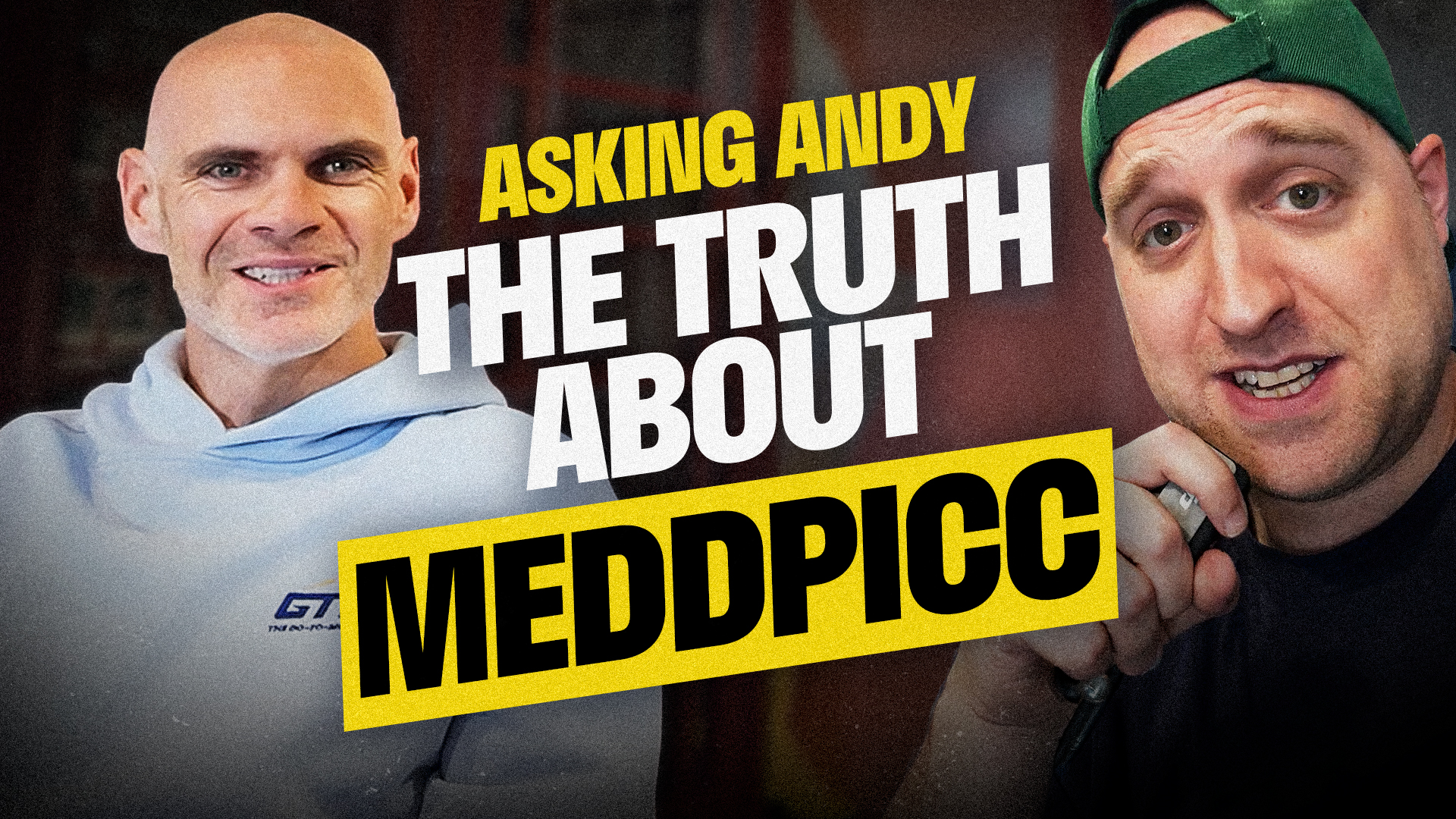
Keno Helmi joins Andy Whyte on Masters of MEDDICC on why no deal is won without a Champion, validating one, and the sales operations needed to scale.
September 04, 2022
46 minutes
NOTES
GUESTS
TRANSCRIPT
KEY TAKEAWAYS
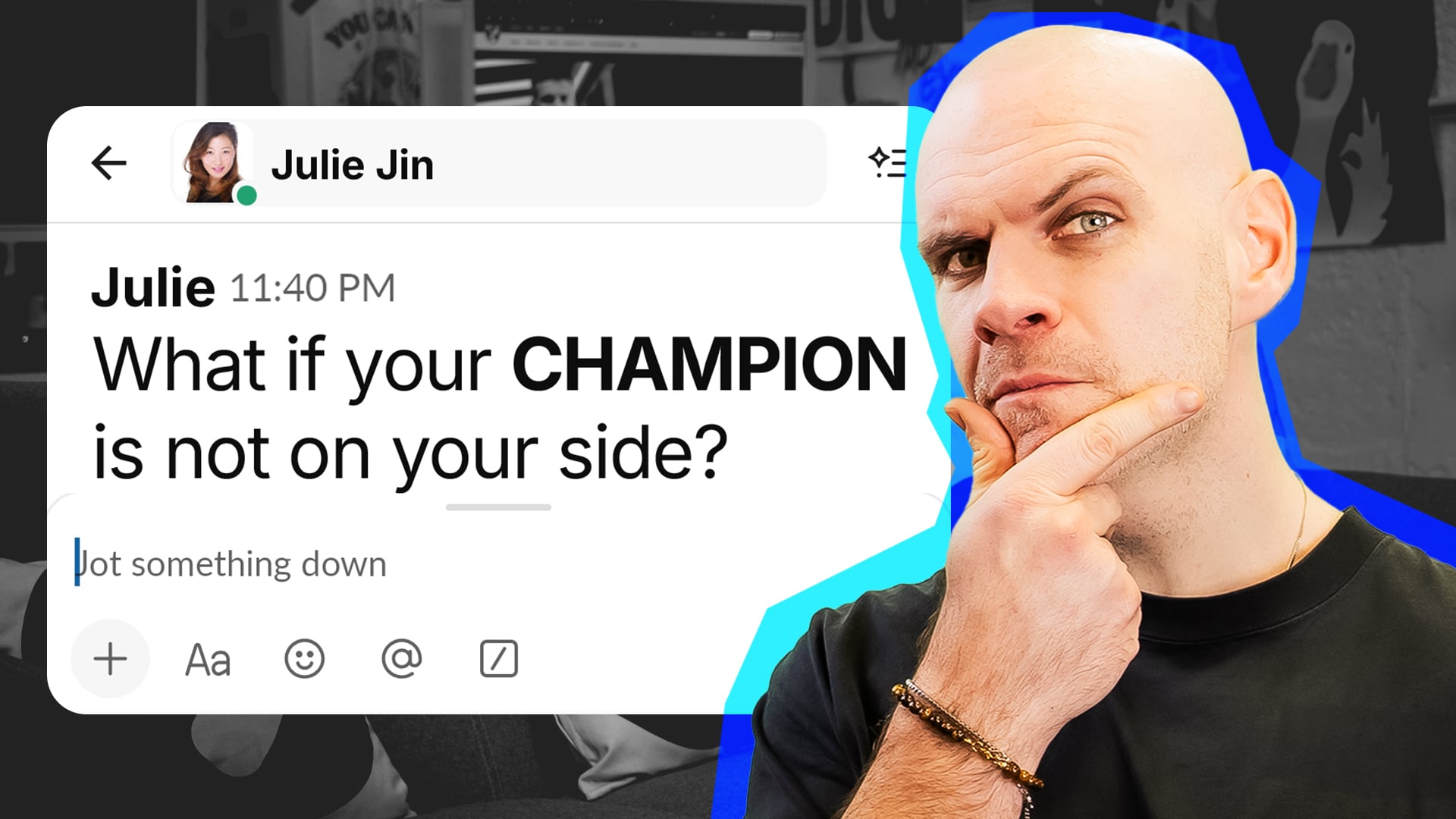
- The Champion is the most important element. No deal is won without a Champion. A true Champion has power and influence, a selfish vested interest in backing you alone, access to the Economic Buyer, and the willingness to take you there.
- Willingness to introduce you is the truest test. The shortest path to validating a Champion is their willingness to take you to the Economic Buyer; if they do, your chances of winning rise dramatically.
- Sales infrastructure and operations are essential to scale. An effective sales leader cannot succeed without strong sales operations to maintain clean data, enforce process, surface stale deals, and maximize the science of selling.
.png?width=273&height=327&name=image%201%20(1).png)
Andy Whyte
CEO & Founder of MEDDICC
Andy Whyte has helped companies big and small grow and prosper as both a quota-carrying Account Executive and a Revenue Leader. His passion for helping sales teams succeed led him to become founder and CEO of MEDDICC and author the five-star-rated “MEDDICC” book. Known for his mantra “Nobody ever regrets qualifying out” and his expertise on the science and art of sales. Away from the day-to-day, Andy practices many skills as a chef, sports coach, taxi, and cleaner in his most important role to date - Dad.
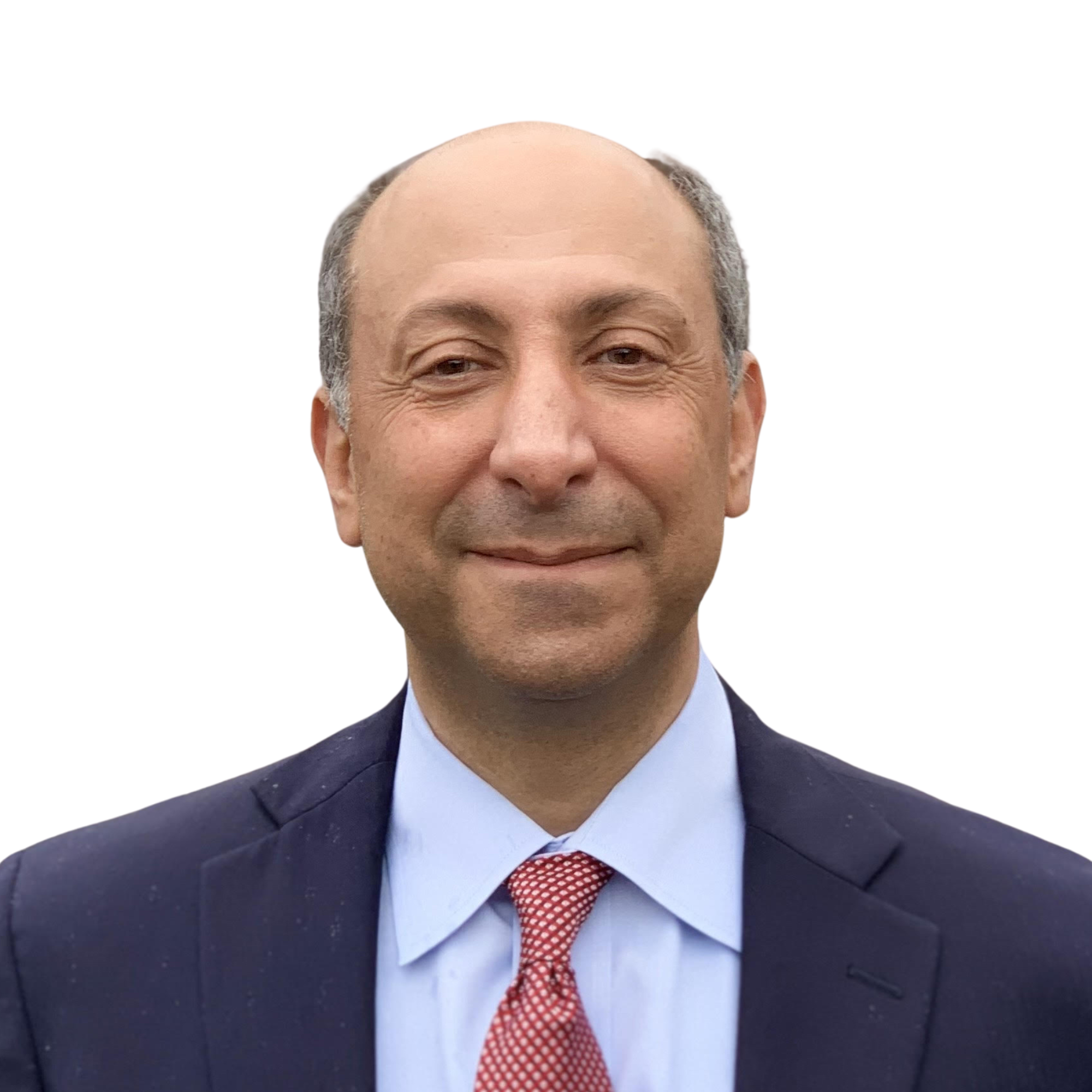
Keno Helmi
Keno started his career as an economics professor before discovering sales and never looked back. He cut his teeth at PTC, where the MEDDIC methodology was born, and credits that time as the experience that shaped everything since. Over 18+ years leading sales teams from startups to publicly traded companies, he's scaled businesses from $1.5M to $750M in revenue, consistently growing 125--300% annually. He currently leads GTM for the Americas at Loftware, and also serves as CRO at CloudBolt.
Copy Full Transcript
00:04 Andy Whyte: All right. Hey, Keno. Welcome to Masters of MEDDIC. It's absolutely great to have you on the show. 00:11 Keno Helmi: Thank you so much for your time. 00:13 Andy Whyte: Perhaps we could start with you introducing yourself for the audience. 00:17 Keno Helmi: Yeah. So, the way I typically characterize myself is as an Egyptian redneck. My parents are from Egypt, but I grew up in the great state of Alabama, where our core competencies revolve around inbreeding, advanced mobile home assembly, and teenage pregnancies. Those are the things they're quite famous for. So I had a very good upbringing in Alabama. I did not know growing up that I was a sales guy. I didn't know I was meant to be a sales guy. I kind of stumbled into it through some happenstance. I started off my career as an economics professor, but I was never really committed to the cause. It was just something I was meandering through. After I got out of graduate school, I was teaching at night, and I couldn't decide whether to commit to getting my PhD and doing it forever, or to go back into the private sector where I'd done a brief stint. My parents, being the good, upstanding Egyptians that they are, did what every Egyptian does when they don't like the path their son's life is taking. They yell and scream and shame and humiliate until they get their way. It's actually very effective. 01:42 Keno Helmi: They would have made very good salespeople, my parents. So I eventually took a job selling office equipment for one reason and one reason alone — just so my parents would stop screaming at me. I didn't know what salespeople did. I didn't know I was any good at it. I didn't know I was born to do it, but it ended up being one of the best decisions I've ever made. I'd love to tell you it was a very well-informed, thought-through plan. But the truth of the matter is I stumbled into it, and my motivation was simply to stop the yelling and screaming from my parents. So I had a good run at a company called Linear Worldwide, which was a famous hunting ground for talent that would later lead to my first software sales job, at a company called Parametric Technology — PTC. They recruited me. I'm convinced, knowing what I know now, that if I had known how good an opportunity it was, I would have screwed it up for sure. They'd been hunting for a rep in Alabama for a long, long time, and they hadn't found anybody that could handle the culture, until they stumbled upon me, almost out of desperation. 02:58 Keno Helmi: When I got to PTC in the mid-'90s, it was the second fastest growing company in the history of the Nasdaq, and the most profitable software company in the world. Anybody who knew anything about the space would tell you that. The reason the company was able to post such remarkable results was because they were vigilant about two things: the hiring profile, and the sales methodology — where MEDDIC was first born, out of PTC. I had three of the best and worst years of my life there. I made more money than I'd ever made in my life. I consider everything I learned at PTC to be my Harvard MBA. Probably 40 out of the 60 sales deliverables in my sales curriculum were either born or modified out of PTC. It was very influential on my worldview, my outlook, and how I run my business today. And for that, I'm grateful. The part I didn't enjoy was the yelling and the screaming and the boneheaded management intimidation tactics that I never really could understand. I never understood them. But overall, I wouldn't trade my experience there for anything in the world. And since my time there, virtually every company I've gone to work for has some kind of linkage to PTC. 04:28 Keno Helmi: And one of the crown jewels, one of the cornerstones, of my sales methodology — which I can take no credit for whatsoever — is MEDDIC. So, a little bit of background on me. 04:41 Andy Whyte: I love that. 04:42 Keno Helmi: Thank you. 04:42 Andy Whyte: That's fascinating. It's so funny to hear this. You hear it time and time again around PTC. You only have to look at the who's who in the sales leadership world today, and some of the best-performing companies out there. And you find some linkage, some heritage, to PTC. Among yourself and your peers, it's perhaps unlike any other — certainly in our industry, any other organisation I can think of — except for ones that, you know, have had PTC people run through them, like BladeLogic or something like that. So that is fascinating. And do you think — do you think it's related to the approach they took? You mentioned those two things — the hiring and the focus on sales methodology. Do you think that if you'd taken the PTC element out and put those same elements into a different technology, a different type of software or something like that, but with the same people and the same process, you would have had the same nucleus to build from today? 05:42 Keno Helmi: I'm certain of it. And there was broad and widespread consensus outside of PTC, within the market. I'm sure you could even find articles written to that effect — the market believed that you could take any one of our competitors' technologies and put them in the hands of the PTC sales force, and the results would have been identical. Pro/ENGINEER was good technology. It was not the reason we won deals — unequivocally. We won deals because we had a superior sales force and a superior go-to-market methodology relative to any of our competitors at the time. In fact, I would go on to say that it impacted the thinking of many technology companies. If you look at the way the industry evolved — and particularly during my time at PTC — if you looked at every one of our competitors, they were virtually identical in their hiring profile. They were hiring engineers. Pro/ENGINEER was engineering automation technology. So everybody who worked for our competitors had some kind of engineering background. 06:56 Keno Helmi: At PTC, it was damn near impossible to get into the sales force if you came from an engineering background. They wanted red-meat-eating, alpha-male, uber-competitive, business-centric prima donnas who could articulate business value. In fact, it was core to our strategy at the time to subjugate engineering. We saw them as the bottleneck, because they had a vested interest in maintaining the status quo. We were interested in getting to people who cared about business outcomes and business results. So instead of talking about flux capacitors and feeds and speeds and fillet rounding, which we were all well-versed in because we did have to talk to the engineers at some point — we were speaking to C-level executives about what it would mean to their business to be able to bring a product to market a year faster than they otherwise could, in the absence of any kind of automation, and to articulate what that meant to the P&L. That was how we would go about trying to sell the software. Since that time, the vast majority of technology companies have shifted to that kind of mindset — business-centric people, not technical people. 08:21 Keno Helmi: PTC impacted many, many technology companies since then. Not long after us, there was a company you may have heard of called EMC, selling storage. Identical approach, same kind of hiring profile. Get away from the infrastructure guys, go talk to the business, and speak in terms of ROI, not features and functions. 08:47 Andy Whyte: Yeah, that's... And how much do you think — you mentioned that hiring profile — how important was the personality of the person you were hiring versus what they were learning and the approach they'd be instructed to take? 09:04 Keno Helmi: Well, if you think about Myers-Briggs and personality testing, there was an extraordinary amount of commonality among the PTC sales force — some different personalities, sure. All of us — all 1,200 of us — looked alike, sounded alike. Except for me, of course. They needed an Egyptian to round out the diversity and meet the affirmative action quotas. But by and large, we behaved very, very similarly — very Type-A, very aggressive, very outgoing, fearless, very competitive. A lot of testosterone back then. I don't believe I will ever in my career ever again be surrounded by the kind of talent I was surrounded by at PTC. 09:56 Andy Whyte: Wow. That's something. And that depth of people as well — 1,200 people in the sales team, right? 10:01 Keno Helmi: 1,200 reps. 10:01 Andy Whyte: Wow. And what part — because it's quite well documented and well known — PTC went on this meteoric rise of 40-something consecutive quarters without missing the target. Whereabouts did your time at PTC fit into that period? 10:19 Keno Helmi: What are you talking about specifically? I was there from '95 to '98. Before and after that period, I think in that six-year window we went from zero to $1 billion in revenue. Now, it's a little misleading if you're viewing it through the lens of today's software companies, which are all SaaS, which generally looks at a three-to-five-year amortisation model. We were selling perpetual licences, meaning we were getting all the cash upfront — so it wouldn't be zero to $1 billion. If we were SaaS, it would be more like zero to $350 million in six years, which is still fairly remarkable. 11:00 Andy Whyte: That is indeed remarkable. And how did your organisation, given the perpetual licence model, approach things like the Metrics element of MEDDIC? From what you've said about the business-first approach — the business-case selling — it's interesting to think about how you worked with metrics in an organisation where, once you've done the deal, you don't have the renewal process to go back to. There's almost a sense that you were perhaps less engaged than software companies are today. Did you notice any difference, or would you say it was still equally important to get close to the customer? 11:42 Keno Helmi: Yeah, I think it was still very important to get close. By and large, we didn't sell the multi-million-dollar deal from the outset. Generally you'd get into a small division of a much larger company, demonstrate the value — almost like what we'd call today a paid pilot. You didn't make your money on the first deal — you made your money on the second deal, once you'd established yourself, once it was a known quantity, once they'd seen firsthand the business value. That's what set the table for the million-dollar deal later on. So if you look at all the hallmark deals we did back in the day — Boeing, Caterpillar, Chase — all of those started as $50,000 or $100,000 opportunities that then proliferated and consumed the entire organisation. 12:33 Andy Whyte: It's fascinating how, even though the business models were so different, the approach — the fundamentals of what made you successful — doesn't really change. 12:43 Keno Helmi: I haven't seen any change in the approach other than one thing PTC was kind of famous for. There was always a question: did our financial success come about because of our sales tactics or despite them? I'm convinced it was because of our sales tactics. But one of the things PTC was notorious for back in the day — which is simply not tolerated in this day and age — was going over people's heads. We were famous for that. If we didn't get the answer we liked, the knee-jerk reaction was to go to the boss's boss and say, "You're working with a bunch of idiots. This is what I showed them, and they don't want to take it forward." That probably worked one out of 20 times. That would work zero out of 100 times in this day and age. I think buying software has also shifted, over the course of time, to be much more consensus-driven. Right? It's very rare that the decision now lies with just one person. And even if it does, that person isn't comfortable buying it and shoving it down the throat of the organisation. 14:00 Keno Helmi: That's the easiest way to blame a failed deployment: "You shoved this thing down my throat. It didn't have my buy-in from the start." So even among my former PTC contemporaries — partly because we've aged, we've had kids, we're a little bit more mellow than we were back in the day — that's contributed to the dynamic, and it's just the way that buying software has evolved. That doesn't give you the luxury of being an asshole, to put it very directly. 14:32 Andy Whyte: Yeah, I can definitely see that. And I also think part of that is just that technology today has so many more stakeholders — whether it's integrations that have to take place, or security and infrastructure and all those things — that naturally creates more consensus, more stakeholders. It makes it a decision by committee, which is interesting. On that note, actually, I'm fascinated to hear how you yourself take that understanding — that there are generally more people involved in the decision process — and apply it. That's a modern application of MEDDIC, especially, I guess, around champions, economic buyers, and that kind of thing. 15:16 Keno Helmi: Yeah. I might be somewhat radical in what I'm about to share with you. But this is what I believe. There may be other proponents of MEDDIC that see it differently, but I've often heard MEDDIC referred to as a sales methodology. I have never regarded it as a sales methodology. I still do not consider it a sales methodology. I don't consider it a process. I consider it a correction mechanism. We start with a couple of ancillary things that complement MEDDIC and enable it to be much more effective. Using MEDDIC in isolation, without supplemental material, limits its effectiveness. Let me be a little more direct and clear about what I mean. We begin in my sales curriculum and my sales methodology with an established and documented enterprise sales process. These are the sequence of events you should undertake to maximise the likelihood of a favourable outcome. Now, invariably, it never goes that way. That is when MEDDIC is introduced — when the wheels come off the wagon, when things haven't followed the optimal sequence of events we prescribe that our sales teams should be pursuing. What do we do to correct? I mentioned earlier in our conversation that I used to be an economics professor. Are you familiar with Adam Smith, The Wealth of Nations? 16:54 Andy Whyte: I know the book, but I haven't read it. 16:54 Keno Helmi: Well, he was the first major economist — in the 1700s actually — to talk about this notion of the invisible hand: that when a market is out of equilibrium, it's the natural forces that bring it back into equilibrium. When there are temporary gluts or shortages, prices adjust. And invariably we get back to the point where everybody who wants to buy an apple can buy an apple, and everybody who wants to sell an apple can sell one at that market-clearing price. When a market is out of equilibrium, it's the invisible hand that brings it back. And that, to me, is what MEDDIC does for a deal. We start with an enterprise sales process. And then we use MEDDIC to deconstruct the anatomy of the deal and identify where we have shortcomings in our sales strategy. But I don't regard it as a sales methodology. So to truly maximise the value and efficacy of what MEDDIC does, you need two additional things, in my opinion: you need an enterprise sales process, and you need an effective mapping of the power base. 18:08 Andy Whyte: Okay. 18:09 Keno Helmi: Now, one thing PTC didn't invent, but they emphasised and required all of us to read — and that I require every one of my team members to read — is a book by James Holden called Power Base Selling. I consider it the most important book ever written about complex enterprise sales. So if you have an enterprise sales process, you can then map the org chart — the names and titles of everybody within the organisation. But then give them a Power Base Selling designation: enemy, fox, champion, prospective champion, coach, technical buyer, unknown. If you put a designation against each of those and then circle within that org chart the three, four, five people who are really material to the decision — who really get a vote on whether or not this thing goes forward — and then layer MEDDIC on top of that. That's the trifecta. Those are the three things you need to be able to affect the outcome, or to assess very early on in the deal that the likelihood of a good outcome is very low — in which case you take your ball and go home. Which is one of the most difficult things for an aggressive, competitive salesperson to do. Have you ever heard of the movie Rudy? 19:39 Andy Whyte: No. 19:40 Keno Helmi: Well, it's one of those feel-good movies. It's famous in the United States — about this kid who walked on and played football at Notre Dame. He should never have had a chance. He was small. He was weak. He was slow. Everything possible going against him. But he somehow made the team. He got to play two plays in his entire career — when Notre Dame was winning by 70 points and the game meant nothing at all. I call that Rudy Syndrome. It's the sales guy who wants to win the deal he has no chance of winning. That is a terrible way to run your business. Yes, you will win that deal one out of a thousand times, but you will have been fired 999 times because you spent too long chasing deals you had very little chance of winning. But you'll have that one story that you can tell. When I'm enabling my sales team and taking them through these deliverables, we are not looking for Rudy. We're looking for someone who has all of those elements — aggressive, competitive, all of that — but also has the IQ and the ability to discern and assess that the likelihood of winning is very low, and to be able to walk away from the deal. So, back to the hiring profile. I've talked to you about the three things: the process, the power map, and MEDDIC. You also need to combine that with the right person. That combination is very hard to find. 21:14 Andy Whyte: I love that — the Rudy analogy! I'm going to have to watch that film because I really like that story. 21:24 Keno Helmi: Great movie. 21:25 Andy Whyte: It's a wonderful movie. 21:26 Keno Helmi: Just not a great way to run a business. 21:29 Andy Whyte: There's a saying I like that's similar — we all know a 100-year-old smoker, but that doesn't mean we should all be smoking. It's kind of the same thing. We've all won a blind RFP before — we've all won a deal with no champion or no economic buyer engagement. 21:46 Keno Helmi: No economic buyer. It doesn't mean you can or should rely on that in future. Although I'd take exception to that. You may have won a deal where you didn't engage the economic buyer. But no deal has ever been won without a champion — not that I've ever seen in my entire career. It is, single-handedly and unequivocally, the most important element of MEDDIC. Without question. And I'll tell you — even when I'm delivering my MEDDIC presentation, I dedicate an entirely separate module to the champion, because it is by far the most important aspect of an enterprise sales process. 22:26 Andy Whyte: Brilliant. Fascinating. That's interesting, because I tend to agree with you. I get stuck on this, though. I'd love to hear your take, because I agree with the sentiment of what you've said perfectly. I agree 100%, but for me, pain — if you can win a deal without a champion, you can almost be an order-taker, because they'll just buy because the pain is so great. But without pain, no one will buy anything. There's no way — they'd have to be making a mistake to buy without pain. So I always struggle with this, because I agree that the champion is number one. But I feel like — especially if you're really strict on the definition of a champion — you can still get a deal done without a fully qualified champion. Whereas with no pain, there's no deal — for me. 23:23 Keno Helmi: I couldn't disagree with that more, but perhaps what might explain our disagreement is that we need to delineate between a deal and a follow-on order. Those are two completely different things. Two completely different things. Completely different. When I say a deal, I mean the technology is not installed anywhere in the organisation. It's a net-new deal. Those are the hardest things in the world. Every time one of those happens, it's a small miracle. I have deconstructed virtually every deal I've ever been part of, both as an individual contributor and as a manager. And while I've seen many, many deals close without ticking all of the pillars, I have never won a deal while ticking every pillar except none of the pillars except the champion. With a champion, everything is possible. And of all the elements in my sales curriculum, the one I'm absolutely vigilant about to an extraordinary degree is the definition of a champion. People in the industry — even some of my former PTC contemporaries — use that term, in my opinion, far too liberally. 25:01 Keno Helmi: You earn the right to be called a champion once you have met four distinct criteria. Until all four have been met, all you can call that person is a prospective champion. That's the person I'm going to build my champion strategy around. But until all four things have been validated and verified, that's all the person can be. As a prospective champion, they must be in the power base. They must have a selfish, vested interest in backing you and you alone. They must have access to the economic buyer, and they must have the willingness to take you there. Until all four of those things have been established, the only thing you can call that person is a prospective champion. Now, of those four, there's one that allows you to assume the other three. The shortest path to validating that you have a champion is simply their willingness to take you to the economic buyer. Obviously they have access. If they do, obviously they're backing you and you alone, and obviously they have a selfish vested interest in backing you and you alone. 26:01 Keno Helmi: So if you want the shortcut to designating somebody as a champion — and that is often where the deal is won or lost — will they take you to the decision-maker? If they take you to the decision-maker, your chances of getting the deal go up by an order of magnitude. It's far more important that they take you to the economic buyer than you getting there yourself. When you get to the economic buyer of your own volition, without a champion, he or she invariably says the same thing: "I think that's fantastic. That sounds like a great idea, but I need Max to sign off on it. Max is my guy. Max is the one who's going to be responsible for implementing this. Max is the person I'm going to hold accountable for the success or failure of the product." So, in my definition of a deal — not a follow-on order — I am not aware of a single deal in the history of my career that has ever closed without a champion. 27:55 Andy Whyte: I love that. That's brilliant. And I really like your focus on the economic buyer, because tying the two together — as you say, there's a software company — I think it's called iSeeIt — and they create a Salesforce plugin for MEDDIC. It kind of brings MEDDIC into Salesforce. They recently published some data where they found that — I can't remember the exact figures — but something like 83% of deals that closed on forecast had direct engagement with the economic buyer, whereas 80-something percent of deals that slipped had no engagement with the economic buyer. It's like an 80/20 rule, in both directions. I think you're spot on there. One question I have for you — and I think it's a really valuable one — sometimes, especially early in deals, as you've touched on yourself — how valuable it is to get to the economic buyer as soon as possible, with the sponsorship of your champion — what would you say to salespeople when they inevitably hit a situation where the champion says, "Leave it with me. I'll talk to them." Or, "At this point you don't need to meet them." How do you coach your champion into understanding the mutual benefit of taking you there themselves? 30:09 Keno Helmi: That is a fantastic question. I actually have a few painful stories that we don't have time to go through where that exact dynamic occurred. One of the worst champions you can have is an overconfident champion. 30:23 Andy Whyte: Right. 30:24 Keno Helmi: What I've done historically in a situation like this is pull them aside and explain to them that we've seen this many, many times — that we are by far the subject-matter expert when it comes to this, that there are likely to be questions that arise that they won't be able to answer, because they don't have the level of familiarity with our technology and business case that we do. And that if they truly want this deal to happen, what gives us the best chance of a good outcome is them putting us in front of the buyer. There's also another concept here. Are you familiar with the term the Crucible? 31:09 Andy Whyte: No. 31:12 Keno Helmi: So — you know how a company tells you the two Ds in MEDDIC: the decision-making process and the decision criteria? There's what they articulate to you as those two things, and then there's the real way the deal actually ends up being decided — which is usually in one critical meeting. That's called the Crucible — where the company is going to decide. In the Crucible, of the eleven people in the room, only two really matter. And very often one of them is representing the competition and one of them is representing you. Classic good versus evil. Every one of your competitors has a champion. If your champion is stronger than your competitor's champion, you win. And if your competitor's champion is stronger than yours, you lose. So being able to arm and educate your champion going into the Crucible is often the difference between success and failure — helping them anticipate objections, helping them anticipate which arguments the competition is going to lean on, and how to neutralise those arguments. 32:22 Keno Helmi: Having a business case to accompany the technical selection, so that when somebody on the committee who doesn't care which way things go asks, "How is this going to pay for itself, and in what timeframe? " — you're able to articulate what the business outcome is likely to be. Having that conversation early with your champion — and explaining to them that they don't buy software for a living; that's all I do — I help people buy software for a living. If they're the right kind of champion, that should be a very easy conversation. If they push back, you either don't have a champion or you have the wrong kind of champion. That's not to say you won't get the deal. I have seen it work. I've seen people who were smart enough to pull it off. All it means is you can't forecast the deal with the same level of accuracy you could if they were willing to put you directly in front of the economic buyer. But these are the tough decisions we have to make as sales professionals. What are you going to do — walk away from the deal? At that point, it's too late. You're heavily invested. This is your only shot. So you do the best you can with the cards you've been dealt — but I go to great lengths to discourage people from taking the law into their own hands. 34:41 Andy Whyte: Yeah, I like that. When we were setting this up — when we were very kindly introduced by our mutual friend Dick Dunkel — you mentioned to me, "Don't forget to include the P in the book." So, the Paper process. I'd be interested to know, because obviously in the PTC days it was MEDDIC with one C, and then over time they added the second C for Competition. And then the Paper process came in. Where did you pick up the Paper process? Which company? Do you remember much about that? 36:12 Keno Helmi: Yeah, I think it really started manifesting itself in my sales motion around the same time companies were switching from perpetual licences to SaaS licences. I don't have a full explanation for why buying software was less sophisticated back then than it is today. But I had never heard of a requisition. I had never heard of getting set up in the SAP system as an approved vendor. I had never heard of infosec requirements. There wasn't much security infrastructure back then. So the paperwork has become more cumbersome and more complicated as the industry and technology itself has evolved. I think it was probably around 2006, or 2008 rather, when we started going almost exclusively to SaaS and perpetual licences were dying very, very quickly. That's when I started emphasising the P — the Paper process — because there were a number of paperwork-related deliverables that had never been required until then. Back in the day, all we needed was a licence agreement and a PO. We didn't even need the PO every single time. 34:34 Andy Whyte: Interesting. And as your career progressed and you left PTC and moved to other companies, have there been times — and I imagine there have — I can see on your CV some well-known and documented MEDDIC organisations, but have there been times where you've joined an organisation, as a sales leader or otherwise, where they haven't had MEDDIC, and you've had to implement it from scratch? How did you approach that? 35:56 Keno Helmi: Every single time. 36:00 Andy Whyte: Yeah. 36:00 Keno Helmi: Since becoming a CRO, I have had to implement it every single time. In fact, I've had to implement almost the entire sales infrastructure. Almost everything is absent when I join. No sophisticated forecast methodology, no appropriate categorisation of deal stages with clearly defined criteria. No business case tool, no account plan template. No framework for when and when not to pursue, no shared language around the key buying influences — or the difference between a coach and a champion. No required reading. Almost every organisation I've inherited has been extremely deficient in terms of sales infrastructure. Which is why I go back to saying I will never again be surrounded by that level of talent. We didn't have a frame of reference at PTC. We didn't know what great looked like — or bad. All we knew was what we had to do to get the job done. That was what our management team required of us. It was only when I started going to other software companies that I really recognised the value of the extraordinary training I got at PTC, which is unparalleled to this day. The things PTC people take for granted — they realise, when they join an organisation without that level of sophistication, just how invaluable their PTC time was. 37:15 Andy Whyte: This is a huge one for me. A really big question. The answer fascinates me. You mentioned a number of scenarios where, having joined as a CRO, you've had a whole laundry list of things to implement. What I'm fascinated to know is: how different does the implementation look based on the organisation? How different is it? Do you tailor it to the organisation, or — put another way — if I analysed your last five CRO roles, how similar would the sales process be? How similar would the account plans be, the qualification framework, the forecasting methodology? Do you have a playbook that you bring with you? Or how much do you adapt it? 37:27 Keno Helmi: The answer is: almost identical, probably with 10% variability. That 10% is nuanced to the specific technology, how it's licenced and how it's monetised. The only element of the 60 deliverables in my sales curriculum that tends to vary significantly from company to company is the discovery and qualification guide. That's about it. The questions you ask to qualify a marketing automation platform are nothing like those for a pricing optimisation software or a digital virtual assistant like what we sell today. But the business case tool is identical. The enterprise sales process: identical. Everything is virtually identical. And that's probably more a function of the companies I've chosen to work for than anything else. The PTC sales methodology is ideally suited to large, complex enterprise sales. So if it's a transactional business or a heavy inside-sales function, my curriculum, my approach, and the things that excite me about the job are not ideally suited to something like that. You can certainly still implement MEDDIC and an enterprise sales process in an inside-sales-driven organisation, but the real value in my sales curriculum is amplified and bolstered by large, complex enterprise transactions — which is what I gravitate toward. Right? 40:02 Andy Whyte: And if you look at the so-called magic unicorns — the "lights call them" companies — there's a real similarity there, as you say. Not necessarily in what the solution does, but in the kind of implementation and buying process that leads up to it being implemented. 40:21 Keno Helmi: The common factor is complexity. It's complex. The PTC sales methodology is ideally suited for that. If it's homogenous or transactional, you need a different sales approach, a different methodology, and a different type of salesperson. You need smiles and dialers. Not sophisticated, politically minded, insightful, high-IQ, overpaid prima donnas. I exaggerate a little. 44:44 Andy Whyte: It always fascinates me, though — coming from your academic background — the average elite salesperson's earning potential is vastly greater than some of the most important, most complex roles in the workplace. That always fascinates me. 40:59 Keno Helmi: The other way to look at it is that it's a fraction of the value they drive on behalf of the company. It's a very short conversation between me and a prospective CEO I might be going to work for — if they say anything that remotely suggests that salespeople are overpaid, or "Why do we have to pay so much for these guys? " — it's a very short conversation. There are fights I want to fight. The enemy is outside the four walls, and there are fights I have no interest in having. 41:30 Andy Whyte: So that's your mindset — immediate qualify-out territory. 41:37 Keno Helmi: I never work for a CEO who used to be a CFO. Never. 41:43 Andy Whyte: Ha! I like that. I like it. And I can almost guarantee, if I asked you this question, a few names would spring to mind — the CFOs you've most enjoyed working with as a CRO — I'd bet they're the most commercially minded CFOs you'll find, in terms of growth mindset. 42:02 Keno Helmi: Yeah, there are only two types of CFO. There are the terrible ones and the really good ones. You'll never find one that's kind of in the middle. The great ones really understand ROI. They really understand the value that an enterprise salesperson brings to the table. Ideally, they've experienced that firsthand working in a PTC-type company, in which case they're constantly looking for ways to add oxygen to the machine — justifying additional headcount. That's a great CFO. I've already described what a bad CFO looks like — one I simply have no interest in working with. 40:39 Andy Whyte: Yeah. That's interesting. One of the things you touched on a moment ago — and this is what I wanted to pick up on — when I look at the landscape of MEDDIC companies, there's, as we said, definitely a proliferation of companies with a complex sales process. But the most famous ones, perhaps the most celebrated — the ones that were truly innovating — were doing something where, when the product was first being sold, there was no existing budget line for it. It was brand new technology. It wasn't replacing an email service provider or some analytics tool. It was genuinely new. Do you think that MEDDIC particularly suits those kinds of sales processes? 41:20 Keno Helmi: Personally, I don't think so. What I use to create and fuel that kind of sales motion is another well-known book — I'm sure you've heard of it — called The Challenger Sale. 41:36 Andy Whyte: Right. And there you go. 41:39 Keno Helmi: That is how you create something from nothing. That is how you evangelise. That is how you educate the market on a better mousetrap — not MEDDIC. This goes back to what MEDDIC, I believe, was intended to do: correct, not create. It was intended to correct. To create something from nothing, you need a completely different lens. You need to be able to articulate why the way people are doing things right now is broken. What are the implications of that broken process? What is the opportunity cost? What does the better way look like? What does the business improvement look like? That is all Challenger Sale-oriented, in my opinion. Nothing to do with MEDDIC. 42:28 Andy Whyte: Yes. To follow up on that — it's about operationalisation. Challenger is about instantiation. MEDDIC is about operationalisation. 42:35 Keno Helmi: Exactly. 42:35 Andy Whyte: I agree. And I think that's one of the reasons MEDDIC has stood the test of time — 25 years or something now. It's had a real resurgence lately. And I think that's why. It's because it's so agnostic and universal. It works alongside Challenger. It works with whatever your sales process is. Any approach can be layered on top of it. You've got the people at Force Management who put their messaging framework around it and all that. It works so well. I have one last question I've been really looking forward to asking. Your head of sales ops at your current company, Xactly — is it Stephen de Brun? Which really is a great name. 43:16 Andy Whyte: I noticed you two have worked together before, and it seemed like too much of a coincidence — you both joining at essentially the same time. Is that one of those magic, made-in-heaven relationships where you just work together perfectly and kind of… 43:31 Keno Helmi: I always think of it as the right-hand-man relationship — the second lieutenant, the Goose-and-Maverick dynamic. 43:39 Andy Whyte: Yeah. 43:39 Keno Helmi: Unequivocally. 43:42 Keno Helmi: The way you frame it is almost aspirational. That's not the way I see it. I don't understand how any head of sales can be truly effective without a strong head of sales ops by their side. 43:58 Keno Helmi: I'm sure it's possible — but I couldn't do it. In fact, I almost had to walk away from this opportunity because our CEO didn't really understand why we'd need to spend $300,000 on someone in that role. My response was simple: I simply cannot do the job you want me to do effectively without the data and insights he provides — to calibrate and course-correct the scaling of our business. Maybe you can get away with it when you're a five-person sales organisation, but you simply cannot be truly effective at scale without a sales ops leader who is an expert in Salesforce — or whatever your CRM is — who can extract the data, identify stale opportunities, flag what the overall qualified pipeline actually looks like, and hold reps accountable for putting deals in the wrong stages. 45:01 Keno Helmi: We run a data-driven business. You often hear people talking about the art and the science of sales. I certainly believe in both, but I go to great lengths to minimise the art and maximise the science. What's foundational to that is someone who can understand the data and the nuances of our go-to-market approach — who understands MEDDIC, what a true champion looks like, how our business case tool works — and can help enforce it while I'm out selling and recruiting. I'm distracted by a lot of things. I've got board meetings. I need a watchdog who is vigilant about the details that I don't have the bandwidth or the desire to micromanage myself. That gives me the confidence to stand behind a forecast — a macro forecast — not just what we're going to close in business this quarter, but what the pipeline looks like three quarters out and why — and how I can project what our business will look like over the course of the year. I can't do that without a head of sales ops. And my guy is probably the best. 46:07 Andy Whyte: The best. I love it. I love it! No, that's so true. So true. I love hearing that, and I can totally relate. I think you're absolutely spot on. Keno, thank you so much. This has been absolutely incredible. I feel like I've learned a ton — and the selfish part of doing all of this is just that I get to meet and talk to and learn from great, great sales leaders like yourself. So thank you so much for this. It's been incredible. 38:11 Keno Helmi: It was fun, Andy. It was great to meet you. It's an open door — any time you want to chat again.
No transcript sections match your search.
This is a lightly edited transcript. Some sections have been condensed for readability. Click any timestamp to jump to that moment in the video.
ABOUT THIS EPISODE
SHOW
MASTERS OF MEDDICC
EPISODE
S1 | EP 1
DURATION
46 mins
PUBLISHED
2020
Video
Masters of MEDDICC
Masters of MEDDICC - Season 1
CHAPTERS
0:10
Intro & Keno's backstory
05:05
Replacing PTC salesforce with other technologies
09:10
Hiring profile
12:58
Change in approach
17:10
Adam Smith, the first economist
22:17
Champion as an important element of MEDDICC
28:30
How to build your champions into understanding mutual wins
32:29
PTC and paper processes
36:45
Similarities to forecast methodology, account plan, and sales process in different companies
43:25
Importance of the Head of Sales Ops
GET MORE MEDDICC IN YOUR INBOX